Continued delays in product assessments discourages innovation, making it increasingly difficult for companies to justify the significant investment required to bring desperately needed new veterinary medicines to market.
Canberra, ACT – Animal Medicines Australia (AMA)
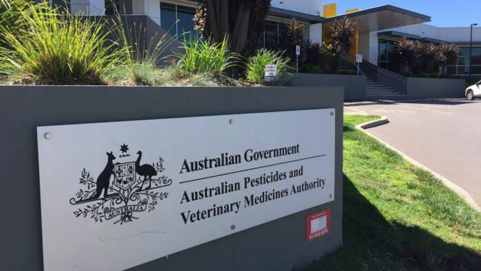
Animal Medicines Australia (AMA) says the latest Quarterly Performance Report from the Australian Pesticides and Veterinary Medicines Authority (APVMA) paints a concerning picture for the future of innovative animal health products in Australia.
“After multiple complex and detailed reviews of the regulatory framework for agvet chemicals, regulator performance is continuing to decline,” said AMA CEO Mr Ben Stapley. “We need a renewed push to identify and rectify those elements of the framework in need of modernisation. This includes better regulatory guidance, investment and modernisation of underlying regulatory infrastructure.”
While headline figures show veterinary medicine approvals at 91.1 per cent, the outlook for new products is far less encouraging, with just 53.8 per cent of major veterinary applications assessed on time. Only one in four applications for new products with an approved active ingredient were completed within the required timeframe. Performance was even weaker for products with innovative new actives, with no approvals delivered on time for therapies that could give vets and farmers new options for preventing and treating animal disease.
The report highlights an urgent problem: only 11 applications for new veterinary medicines were approved on time, while 115 remain outstanding. Unless addressed immediately, this growing backlog will significantly delay access to essential new products for vets and farmers.
Preliminary Assessment Applications (PAAs) – intended to assist applicants with submitting high-quality applications – also fell well short of expectations, with just 17.1 per cent finalised within the legislated timeframe.
Mr Stapley said the delays will have significant real-world consequences for businesses, farmers, animal health, and Australia’s biosecurity.
“Continued delays in product assessments discourages innovation, making it increasingly difficult for companies to justify the significant investment required to bring desperately needed new veterinary medicines to market,” Mr Stapley said.
“Without a strong and innovative sector, our pets and livestock will ultimately bear the cost, missing out on critical new animal health products that improve welfare, protect against disease, boost farm productivity, and safeguard national biosecurity.”
AMA will continue to engage with government and stakeholders to ensure the APVMA supports industry, veterinarians, farmers, and pet owners who rely on timely access to safe, innovative and effective animal medicines.
ENDS
For media inquiries, please contact:
Dr. Katie Asplin, Director – Animal Health Policy and Engagement
Tel: +61 2 6257 9022