As Australia marks National Biosecurity Week from 24–30 August 2026, Animal Medicines Australia (AMA) urges all Australians to recognise the indispensable role animal health plays in safeguarding our biosecurity, and protecting the welfare of animals.
Animal health is foundational to effective biosecurity. Livestock and companion animals, through access to vaccines, parasiticides, and veterinary medicines, are far less susceptible to disease, protecting Australia’s public health, animal welfare, food safety, environment, and agricultural trade markets.
Timely access to effective and affordable animal health products remains a critical precondition to an effective response to any animal disease emergency response.
AMA supports the National Biosecurity Strategy and Action Plan, which promotes shared responsibility, strong partnerships across sectors, and science-based, risk-informed decision-making. Since Australia’s first confirmed H5 bird flu detections in wild seabirds in June, the virus has been detected in wild birds across Western Australia, South Australia, New South Wales, Queensland, Victoria and Tasmania, as well as in a long-nosed fur seal in South Australia. There remain no detections in poultry or the wider agricultural production system, and the risk to human health remains low.
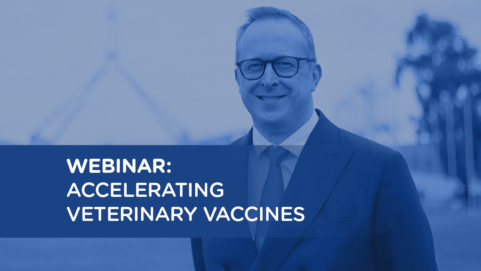
Animal Medicines Australia CEO, Mr Ben Stapley, said the recent H5 bird flu detections underscored the importance of sustained national biosecurity investment and close collaboration across government, industry and the community.
As the first H5 vaccines are administered to identified priority species, we must acknowledge that vaccines are not a standalone solution. Vaccination must be complemented by rigorous biosecurity measures, which remain the cornerstone of protecting Australia’s unique wildlife.
“This H5N1 incursion highlights the fact that biosecurity relies on vigilance before, during and after a threat emerges. Strong surveillance, access to effective veterinary medicines and coordinated preparedness are essential to protecting animals, people, our food supply and our environment.” Mr Stapley said.
“The animal health industry has an important role to play in safeguarding Australia’s biosecurity. AMA members supply over 75% of veterinary medicines used in Australia, improving animal health and welfare, and serving a $46 billion livestock industry, delivering the tools necessary for preparedness and rapid response.
“The animal health industry is critical in any response to a biosecurity outbreak, with veterinary medicines, including vaccines helping to manage the risk and limit the spread of disease,” concluded Mr Stapley.
If you notice sick or dead birds or other animals showing signs of bird flu, you should not touch them or get too close. Record your location and report multiple sick or dead birds or other animals to the 24-hour Emergency Animal Disease Hotline on 1800 675 888.