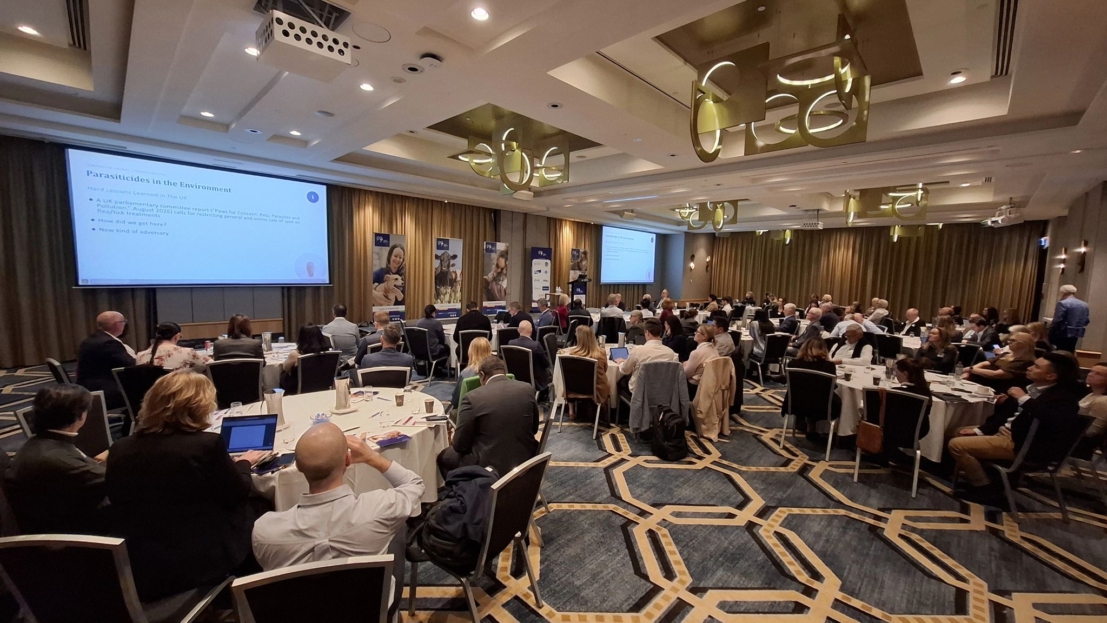
Held last month in Sydney, AMA’s Animal Health Insight Day brought together industry leaders, researchers, policymakers and global experts to explore the forces shaping animal health in Australia and globally. Under the theme “From Insight to Impact: Exploring Australia’s Animal Health Future”, the program examined rapid technological change, evolving markets, biosecurity threats, sustainability pressures and changing community expectations. The day was a strong success, giving attendees practical insights, meaningful discussion and valuable opportunities to strengthen connections across the animal health sector.
The day began by considering the broader operating environment for animal health, including food security, global protein markets, animal welfare and biosecurity with Andrew Henderson, Principal of Agsecure, outlining the critical role animal medicines play in food security preparedness and national resilience, noting that in the US, “Animal-disease prevention and response are now being treated as matters of national preparedness.”
Rabobank’s Senior Animal Proteins Analyst, Angus Gidley-Baird, examined Australia’s position in the global protein market and the conditions influencing livestock confidence and growth. “To counteract negative impacts from ongoing challenges around trade disruptions as a result of tariffs and other protectionist measures, livestock processors must focus on increasing efficiency and productivity at both farm and processor levels and in both mature and developing markets – expect to see growing automation.”
Closing this session, Michael Laurence, Group Manager Animal Wellbeing and Biosecurity at Meat & Livestock Australia, discussed MLA’s investment priorities across research, welfare and biosecurity.
Technology, AI and data were recurring themes, highlighting how digital tools are changing the way governments and industry prepare for emerging animal health challenges.
Dr Amalie Dyda from the University of Queensland explored how infectious disease epidemiology, machine learning and public health informatics can support better surveillance and decision-making. Associate Professor Dr Richard Bradhurst from The University of Melbourne presented Australia’s national animal disease spread modelling capability, including its role in preparing for emergencies such as foot-and-mouth disease, African swine fever and avian influenza. John Thisgaard of FoodLegal added a regulatory perspective, outlining the changing compliance landscape and what businesses need to consider as requirements evolve.
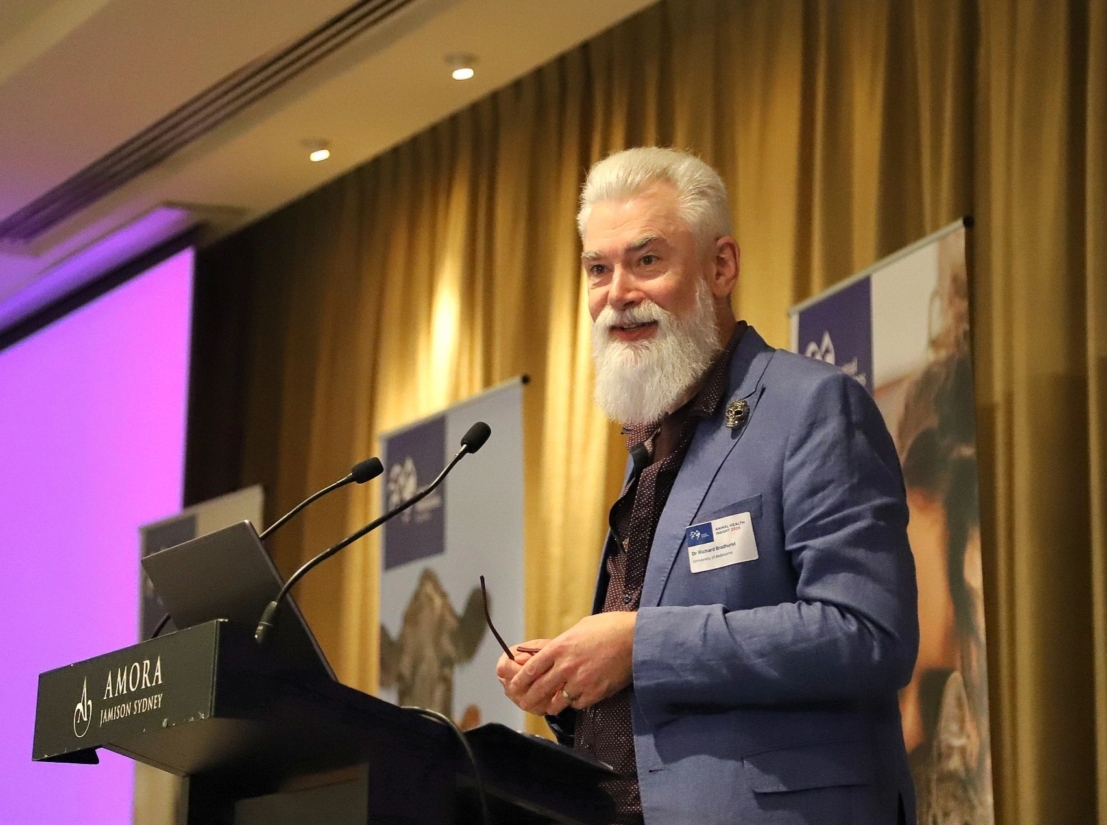
Dr Richard Bradhurst from The University of Melbourne presented Australia’s national animal disease spread modelling capability
The session on innovation focused on new technologies, research priorities and regulatory settings that will influence the next phase of animal health.
Research Director for the Zero Net Emissions from Agriculture CRC, Professor Ben Hayes discussed breakthrough genetic technologies that are helping agriculture improve productivity while reducing emissions. Graeme Hollis, CEO of Invetus, assessed the animal health research landscape and the trends likely to define innovation over the next five years, stating that “product innovation is now concentrated in an ecosystem dominated by startups. The major animal health companies actively monitor this ecosystem for new products that will complement their stable.” Scott Hansen, CEO of the Australian Pesticides and Veterinary Medicines Authority, closed the session with an update on the challenges facing the regulator as technology advances and personalised animal healthcare becomes standard, asking how government and industry can work together to best prepare for this.
The final session examined commercial, environmental and reputational risks facing animal health organisations.
Stan Baker, founder of LexVet Advisory, shared international perspectives on emerging trends and challenges for Australia’s animal health sector while CEO of the UK’s National Office of Animal Health Dawn Howard, shared lessons on managing and communicating the benefits of and environmental concerns around parasiticides and their implications for industry and policymakers. Katherine Teh, one of Australia’s leading social licence and corporate risk specialists, explored how organisations can build trust, manage expectations and respond to growing social and reputational risks – a thought-provoking keynote that had many attendees asking further questions.
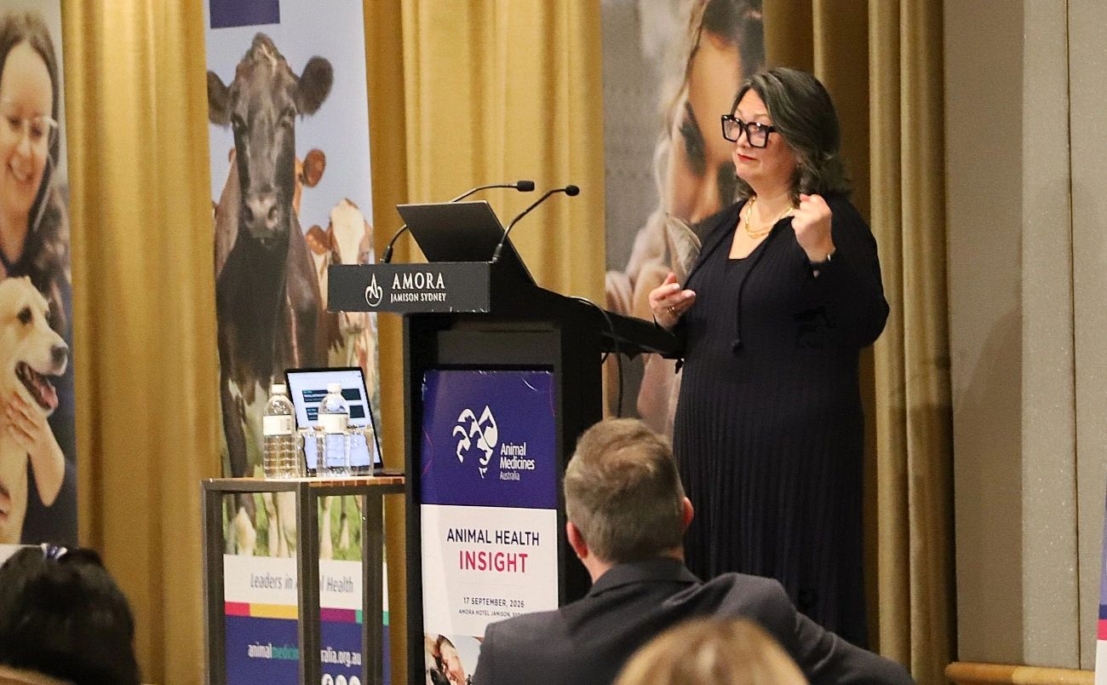
Katherine Teh, one of Australia’s leading social licence and corporate risk specialists, explored how organisations can build trust, manage expectations and respond to growing social and reputational risks
Across the day, speakers and attendees considered how animal health can respond to accelerating change while supporting food security, biosecurity, innovation, sustainability and community trust. The strength of the discussion reflected both the complexity of the challenges ahead and the sector’s readiness to turn insight into practical action.
Animal Health Insight Day closed as a successful and valuable forum for knowledge-sharing, connection and collaboration across the animal health sector here in Australia and globally.